

Careers · Independent contractor opportunity
Get licensed. Get trained. Own what you build.
Most people on this team did not come from finance. They came from healthcare, fitness, teaching, hospitality, the military and commissioned sales. What they had in common was that they were coachable and they finished what they started.
Start here
Request the conversation
Thirty minutes. What you do now, what you want, and an honest read on whether this is a fit. If it is not, we will say so on the call.
Say the hard part first
This is commission only. Here is what that means.
Income is production based. There is no salary and no guaranteed floor. What you earn is a function of activity, skill and time, which means the early months are genuinely uncertain and some people earn nothing at all.
What it costs to start
State pre-licensing coursework, the exam fee, fingerprinting and the state license fee. Those are paid to the state and the course provider, not to us. Ask for current figures on the first call and you will get them.
What we do not promise
No income figures, no first-year-earnings claims, no screenshots of somebody's commission statement. Results vary by effort, skill, licensing and market. Anyone in this industry who leads with a number is selling you the number, not the career.
What we do promise
Structured licensing support, real product training, a mentor who sits in your appointments until you no longer need them there, and a written plan for your first ninety days so you are never guessing what week two looks like.

Our model
Independent, with access to multiple carriers
Our independent model provides access to solutions from multiple insurance carriers rather than limiting our clients to the products of a single captive company, with the training, technology and support to build a real practice around it.
Independent, with access to multiple carriers
Access to products from multiple insurance carriers rather than a single captive shelf, so you can recommend what fits the client in front of you.
A unified tech stack
Quoting, CRM, illustrations, client onboarding and AI-assisted prospecting in one place, rather than six logins you assemble yourself.
Build your own business
Develop your own client base and your own team, and create long-term opportunity through production and leadership. Eligibility and terms are set by the contractual program in force at the time.
Leadership still in the field
Your mentors write business every week. You are not being coached by someone who stopped selling in a different decade.
Licensing paid forward
Structured pre-licensing, exam prep, carrier appointments and a first-90-days plan. You do not have to guess what week two looks like.
Part time to full time
Most people start beside an existing job and transition when the numbers justify it. Nobody is asked to quit on faith.
The path
From first call to your own agency
Conversation
A 30 minute call. What you do now, what you want, and an honest read on whether this is a fit. If it is not, we will say so on the call.
Licensing
State life and health pre-licensing course, exam scheduling and prep. Most people clear this in two to six weeks depending on how much time they can give it.
Onboarding
Carrier appointments, platform access, compliance training and product fundamentals. You shadow live appointments before you run one alone.
First 90 days
A written activity plan with weekly checkpoints, joint field work, and a mentor who sits in your appointments until you do not need them there.
Build your agency
Once you are producing consistently, you begin licensing and developing your own team, with the same system that trained you.
The week
What ten to fifteen hours actually looks like
Nobody can tell you what you will earn. Everybody can tell you what you will do. This is the honest version of the week, and it is the same one every person here started with.
Conversations, not cold calls
Most weeks start with people you already know: a list you build in week one, then referrals from the people you help. Nobody is handed a purchased lead list and told to dial until something happens.
Two to four appointments
A part time schedule realistically supports two to four client appointments a week, in person locally or by video. Each one runs about 30 minutes plus prep.
One training block
A standing weekly session on product, case design or field skills. It is on the calendar, it is not optional, and it is where most of the improvement happens.
Joint field work
Early on, a mentor is in the appointment with you. Later, you are the one sitting in somebody else's. That handover is the whole model.
The training
Four blocks, in this order
You do not get handed a product brochure and a phone. The sequence matters, and skipping ahead is the single most common reason new professionals in this industry quit in the first year.
01
Licensing
State pre-licensing coursework, exam scheduling and structured prep. Most people clear the exam in two to six weeks depending on hours available.
02
Products
How term, whole life, IUL and annuity contracts are actually built: funding, structure, riders, surrender schedules, caps and participation rates. What each one is good at and where it breaks.
03
Field skills
Running a discovery conversation, reading a statement, building a written recommendation, and handling the objection you will hear most: I need to think about it.
04
Leadership
Once you are producing consistently, how to license, train and develop other professionals without becoming the bottleneck in your own agency.
Compensation
How you get paid, with no numbers attached
We will not put an income figure on a web page, and you should be suspicious of any agency that does. What we can explain is the mechanism, so you can judge it for yourself.
How you get paid
Carriers pay a commission when business is placed and issued. You are an independent contractor, so that commission comes to you directly at your contract level. There is no salary, no draw and no guaranteed floor.
Why the contract level matters
Your share of the commission is set by your contract level, and it increases as your production and your team production increase. The schedule is written down and it is the same one everyone in the agency is on.
Renewals and overrides
Some products pay renewal commissions in later policy years. Once you develop other licensed professionals, you also earn an override on the business they place. Both are earned, not residual by default, and both depend on business staying in force.
What it costs you
Pre-licensing coursework, the state exam fee, fingerprinting and the state license fee. Those go to the state and the course provider, not to us. Ask for the current figures on your first call.
Compensation is production based. No specific level of income is promised, implied or guaranteed, results vary by individual, and many people who begin do not achieve significant income.
Good fit
This works for you if
- You are coachable and you finish what you start
- You can hold a conversation with a stranger without dreading it
- You want your income tied to your effort, not to a review cycle
- You are willing to get licensed and study for a real exam
- You can commit 10 to 15 focused hours a week to start
- You are eligible to be appointed by insurance carriers
Not a fit
Do not apply if
- You want a salary with a guaranteed floor from day one
- You want to be handed a list of leads and nothing else
- You are looking for passive income with no client contact
- You want to skip licensing or have someone else write your business
We would rather tell you no on a thirty minute call than watch you spend six weeks and a licensing fee finding out the hard way.
Who trains you
Leadership that is still in the field
Zeena leads field development and runs training. Geancarlo focuses on policy design and leadership. Both still sit in client appointments every week, which means you are coached by people doing the work now.

Zeena Yasin Carmona
Co-Founder | Licensed Insurance Professional
Zeena has spent more than sixteen years in the financial industry. She came into it from the medical field, where the job was explaining consequential decisions to people on the worst day of their week, and that is still how she runs a first appointment.
16+
years in financial services
Bay Area
based in Fremont, California
12.9K
following on social
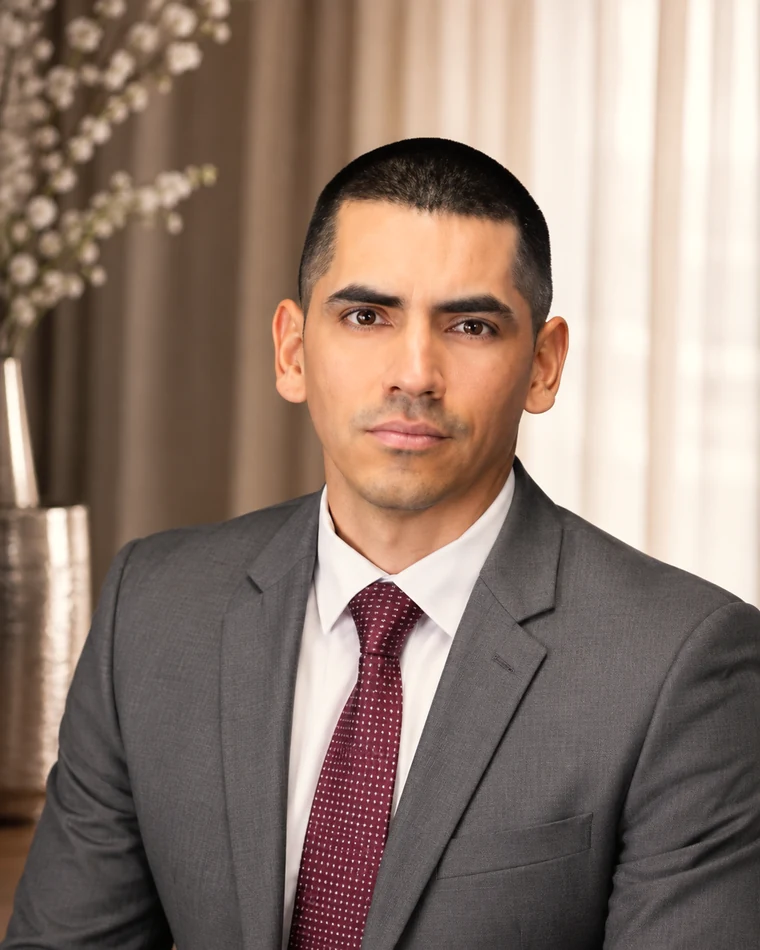
Geancarlo Carmona
Co-Founder | Licensed Insurance Professional
Geancarlo built his first business in fitness, where results are measurable, excuses are obvious and the only thing that compounds is what you do when nobody is watching. He brought the same standard into financial services.
Design
policy structure and funding
Leadership
agency and team development
Licensed
financial professional
From the team
What the first ninety days looked like
A recruit describing their own first ninety days is the strongest thing a page like this can carry, which is exactly why we will not invent one. Real words take their place as the team grows.
I came from healthcare with no finance background. They handled the licensing step properly and then sat in my first appointments until I stopped needing them there. Ninety days in I was running my own.
 Miriam Cooper
Licensed professional
Miriam Cooper
Licensed professionalBay Area, CA
Questions
Before you book the call
You complete state approved pre-licensing coursework, submit fingerprints for a background check, pass the California state exam, and file your license application with the California Department of Insurance. California also requires an ethics and insurance code component within that coursework. The order of the middle steps matters less than finishing each one cleanly. We walk candidates through the sequence, help with course enrollment and exam scheduling, and answer questions as they come up. Call (510) 461-2496 to start.
No. Most people who join us are not licensed yet. We provide the pre-licensing course, exam preparation and scheduling support, and you begin training while the licensing process runs in the background. You cannot sell insurance products until the state issues your license, so the license is the first milestone rather than a prerequisite for the conversation. If you already hold one, we will look at what it covers.
Most people clear licensing in two to six weeks, depending on how many hours a week they can give the coursework. The exam is scheduled through the state testing vendor, and fingerprint results plus application processing add time at the back end. Getting fingerprinted early tends to shorten the wait. Nobody controls the state processing queue, so treat any timeline as an estimate rather than a promise.
There are real costs, and they are paid to the state and the course provider rather than to us: pre-licensing coursework, the exam fee, fingerprinting and the state license fee. Amounts vary by state and change over time, so ask for current figures on your first call and you will get them. There may also be platform, errors and omissions, technology or other business expenses, all disclosed before you enroll.
The exam is a timed multiple choice test covering life and health insurance concepts, state insurance code and ethics, with a passing score set by the state. If you do not pass, you can retake it after the required waiting period and pay the fee again. People who fail usually went in underprepared rather than incapable, which is why our exam preparation is structured. Repeat attempts are normal, not disqualifying.
Yes. California requires electronic fingerprints from first time resident applicants, and the results go to both the state Department of Justice and the FBI as part of a background review. Other states set their own requirements. Getting fingerprinted early is worth doing, since waiting on those results is one of the most common reasons a license sits unissued after the exam has already been passed.
Not automatically. State insurance departments review background information case by case, and the outcome depends on what the item is, how long ago it happened, and whether you disclosed it. Hiding something is far more damaging than the item itself. Raise any concern on the first call and we will tell you honestly what we know, then point you to the state as the authority on your situation.
It means there is no salary, no draw and no guaranteed floor. You are paid by carriers on business you place, and if you place none, you earn none. Income is production based, so the early months are genuinely uncertain. No level of income is promised, implied or guaranteed here. Results vary with effort, skill, licensing and market conditions, and many people who begin do not achieve significant income.
No, and it is a fair question to ask. A pyramid scheme pays people for recruiting other people. We are a licensed insurance agency, and compensation comes from insurance products placed with real clients by state licensed professionals, not from bringing anyone in. Nobody pays us to join and nobody is required to buy a policy. Our National Producer Number is 15874950 and state licenses are publicly verifiable.
No. You can be licensed, serve clients and never license another person. Building a team is an option later for people who want it, and it carries its own responsibilities, but it is not a requirement and it is not how anyone gets paid on day one. If someone tells you recruiting is the only path to income, they are describing a different business than this one.
This is an independent contractor opportunity, not employment. There is no salary, no benefits package and no employer withholding. You run your own business, set your own schedule, cover your own business expenses and handle your own taxes, which usually means setting money aside from every commission payment. A tax professional can tell you how that applies to your situation, because we are not a tax firm.
We will not give you a number, and you should be skeptical of anyone who does. No specific level of income is promised, implied or guaranteed. Compensation is entirely production based, results vary by effort, skill, licensing and market conditions, and many people who begin do not achieve significant income while some earn nothing at all. What we can describe honestly is the activity, the training and the schedule.
Yes, and most people start that way. Ten to fifteen focused hours a week is a realistic starting commitment, which usually supports two to four client appointments plus a weekly training block. People move to full time when the numbers justify it, not on faith. Part time means slower, not lesser. The licensing requirements, the training and the standards owed to clients are identical either way.
No, and we do not recommend it. Almost everyone begins alongside existing work and keeps that income while getting licensed, trained and into a rhythm. Quitting first puts maximum financial pressure on you at the exact moment you have the least skill, which is the worst possible order. Leave when the business supports it. Anyone urging you to burn the boats is not looking out for you.
No. Most people here came from healthcare, fitness, teaching, hospitality, the military, real estate or commissioned sales rather than finance. The two traits that actually predict anything are coachability and a willingness to talk to people. Product knowledge is trainable and we train it. What is much harder to install in somebody is the discipline to finish the licensing process and keep appointments on the calendar.
Training runs in four blocks and the order matters: licensing first, then products, then field skills, then leadership for those who want it. You learn how term, whole life, indexed universal life and annuity contracts are genuinely built, including the parts that are not in the client favor. Sessions run by video, so you do not need to live in the Bay Area. A mentor sits in your early appointments.
You get a written plan with weekly checkpoints rather than a vague instruction to go sell something. Early weeks are licensing and product fundamentals. You then shadow live appointments before running one alone, and a mentor joins your appointments until you no longer need them there. One standing training block sits on the calendar each week. The plan describes activity, not income, because activity is the part anyone can commit to.
Plan for licensing costs paid to the state and the course provider, then ongoing business expenses that may include platform or technology fees, errors and omissions coverage, marketing, continuing education, and your own tax obligations as an independent contractor. Amounts vary and change, so ask for current figures before you enroll. Everything is disclosed up front. If a cost surprises you after you start, we did our job badly.
Not as a purchased list handed to you on day one. Most people start with a warm list they build in the first week, then work from referrals earned by helping those people. Some professionals later choose to invest in marketing or lead sources at their own expense. We would rather teach you to create conversations than have you dependent on somebody else list from the beginning.
Not until the state issues your license and carrier appointments are in place, which realistically means several weeks at minimum. After that, timing depends entirely on your own activity and on carrier processing of the business you write. No timeline is promised or guaranteed. Plan your personal finances as though income will take a while, because for many people it does and for some it never arrives.
This is a poor fit for anyone who needs predictable income right now, anyone unwilling to be coached, and anyone hoping to avoid talking to people. It is also wrong for someone looking for passive side income, because it is a licensed profession with real obligations to clients. If that describes you, we will say so on the call rather than sign you up and watch it fail.
Start with a thirty minute conversation. Call (510) 461-2496 or submit the careers form on our site, and tell us what you do now and what you are looking for. There is no cost, no obligation and no application at that stage. If it is not a fit, we will tell you on that call so you lose half an hour instead of six weeks.
We contact you to schedule the thirty minute conversation, usually within one business day. On that call we cover your background, the licensing steps, the real costs, the time commitment and how compensation works, and you ask whatever you want. If both sides want to continue, the next step is enrolling in the pre-licensing course. Nothing is signed and nothing is paid before that conversation happens.
Use the careers form on the site or call (510) 461-2496 directly. Ask for a careers conversation and we will put you on the calendar, typically within a few business days. Sessions run by video or in person around the San Francisco Bay Area. You will be speaking with Zeena or Geancarlo Carmona, the two founders, not a recruiter working from a script.
Bring your questions and an honest sense of how many hours a week you can commit. It helps to know whether you have held a professional license before, whether anything on your background record needs disclosing, and what your income situation looks like while you get licensed. No resume is required and nothing needs preparing in writing. Turning up with hard questions is the best possible preparation.
Call or text Zeena Carmona at (510) 461-2496 or Geancarlo Carmona at (858) 405-6743, or email Contact@CelestialWealthSolutions.com. Both are Co-Founders and Licensed Insurance Professionals, and both take these conversations themselves. Calls and texts inside business hours are usually answered the same day, and email within one business day.
Thirty minutes. An honest answer either way.
Tell us what you do now and what you want. If this is not a fit we will say so on the call, and you will have lost half an hour instead of six weeks.
Career opportunity disclosure. The opportunity described on this page is an independent contractor opportunity, not employment. Compensation is based entirely on production. No specific level of income is promised, implied or guaranteed. Results vary based on individual effort, skill, licensing, market conditions and time invested. Many individuals who begin do not achieve significant income and some earn nothing at all. A state insurance license is required to sell insurance products, and licensing costs including coursework, examination and state fees are the responsibility of the individual.